
Blog
October 23, 2026
Multi-Vendor Marketplace Order Management System: A Guide for Pakistani Businesses
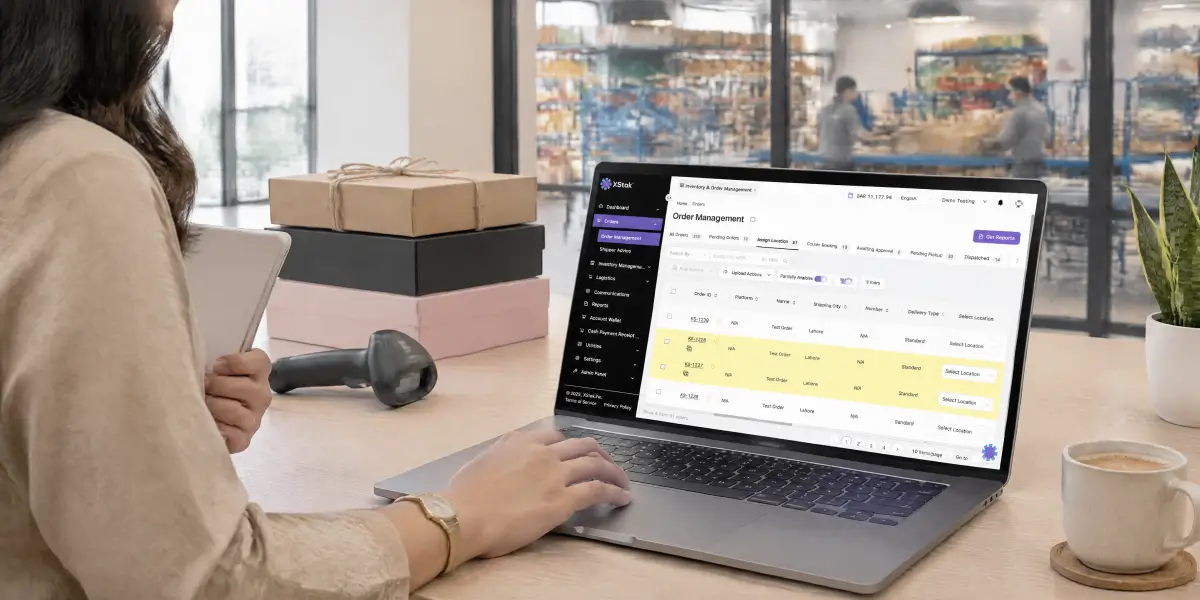
Running a multi-vendor marketplace means managing more than just orders. You need to coordinate sellers, track inventory, arrange deliveries, handle returns and ensure every seller receives accurate order information.
As your marketplace grows, managing these tasks through spreadsheets, WhatsApp, and separate courier portals becomes difficult. A multi-vendor marketplace order management system (OMS) helps bring these operations together, making it easier to manage more sellers and orders without increasing manual work at the same pace.
What Is a Multi-Vendor Marketplace Order Management System?
A multi-vendor marketplace order management system is software that manages orders from multiple sellers through one central platform.
It helps marketplace operators:
- Manage orders from different sellers in one place.
- Sync product catalogues and inventory across sales channels.
- Assign orders to the right seller or warehouse.
- Book courier services and track deliveries.
- Manage returns, refunds, and order status updates.
- Give sellers access to their own orders and performance information.
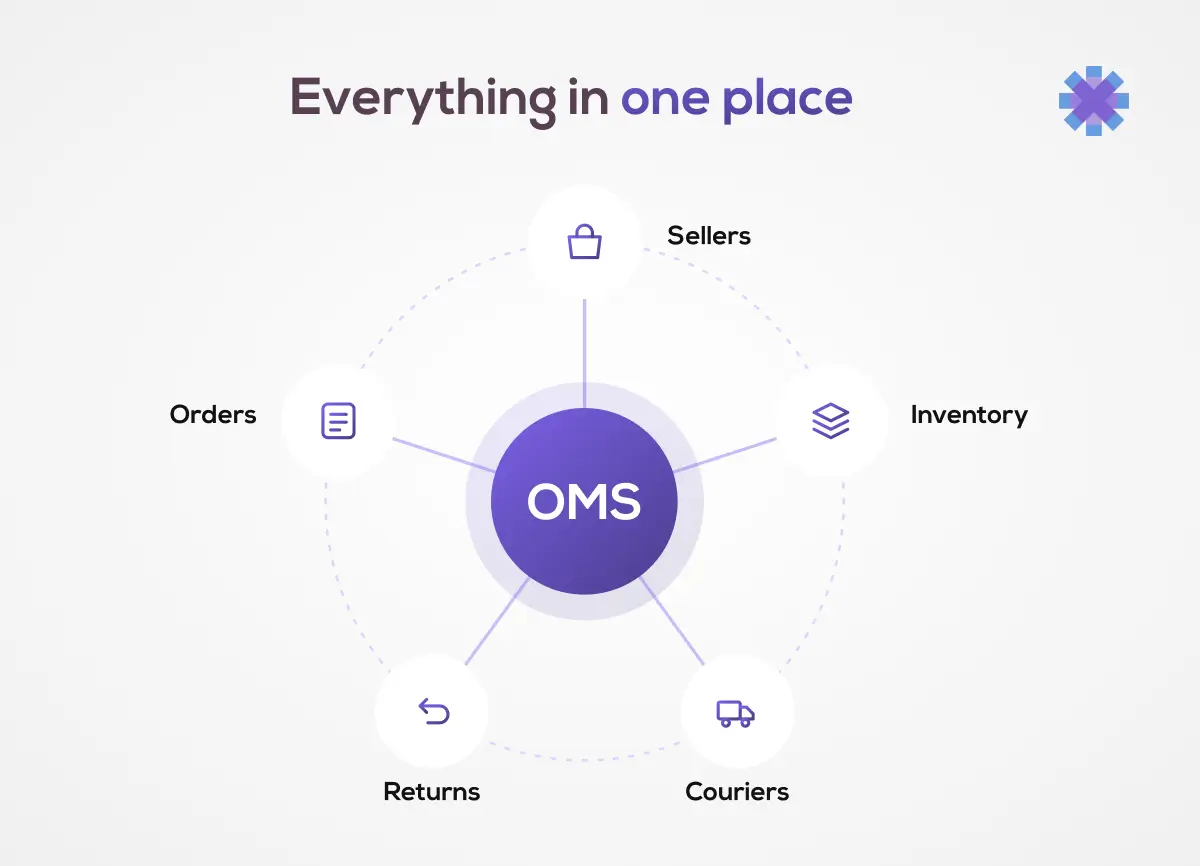
Unlike a regular order management system designed for a single business, a multi-vendor OMS is built to handle multiple independent sellers with different products, inventory and fulfilment locations.
Why Do Pakistani Marketplaces Need an OMS?
For Pakistani e-commerce businesses, order management directly affects delivery costs, customer experience and profitability. Cash on delivery (COD) also makes it important to verify orders and manage failed deliveries efficiently.
Without a central system, marketplace operators can face several challenges.
1. Inventory mismatches
A product may sell on a seller's own website while still appearing available on your marketplace. Accurate inventory syncing helps reduce overselling and order cancellations.
2. Delayed order processing
When employees manually decide which seller should fulfil each order, processing slows down. Automated order assignment helps orders move to the right location faster.
3. Higher delivery costs
Managing multiple courier accounts separately makes it harder to apply consistent shipping rules. An OMS can help select couriers based on factors such as pickup location and destination.
4. Failed COD deliveries
Unverified orders and delayed responses to failed delivery attempts can increase operational costs. Order verification and timely follow-ups help teams respond before a potential sale is lost.
5. Complicated returns and refunds
Without a clear record of returned items, businesses risk refunding the wrong amount or putting damaged products back into inventory. A structured returns process helps protect margins.
How Does a Multi-Vendor OMS Work?
A marketplace OMS connects the main activities involved in processing an order.
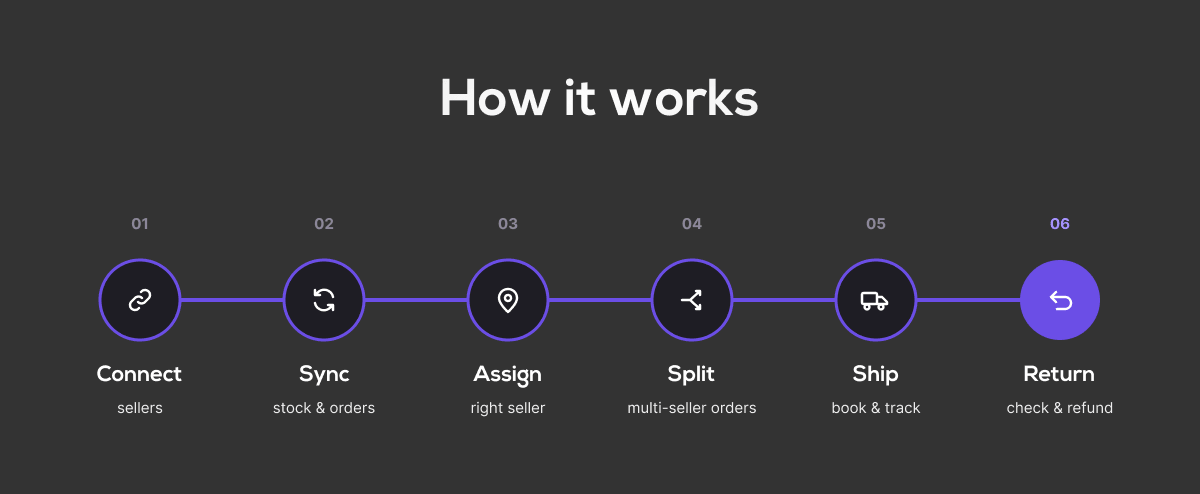
1. Connect Sellers and Their Stores
Bring sellers onto your marketplace while allowing them to continue managing their own stores. Supported integrations can help sync their products, prices, and inventory.
2. Sync Inventory and Capture Orders
Orders from connected channels appear in one system. Inventory updates help reduce overselling, while order verification and duplicate checks help identify problematic COD orders.
3. Assign Orders to the Right Seller
The system uses stock availability and predefined location rules to determine where an order should be fulfilled.
4. Manage Orders With Products From Multiple Sellers
If a customer buys products from different sellers, the system can split the order into separate shipments while maintaining a single customer-facing order record.

5. Book Couriers and Track Deliveries
Centralised courier integrations allow teams to manage bookings and monitor shipment statuses without switching between multiple platforms.
6. Process Returns and Refunds
Returned items can be inspected before being restocked or refunded. This gives marketplace operators better control over inventory and financial adjustments.
The level of automation depends on the software and configuration. Businesses can start with manual checks and introduce automation as their operations become more complex.
How Can an OMS Help Your Marketplace Grow?
The main benefit of an OMS is not simply having all orders on one screen. It is making growth easier to manage.
Actual results depend on your existing processes, courier performance, integration quality and how well the system is configured.
What Should You Look for in a Marketplace OMS?
Before choosing an order management system in Pakistan, evaluate whether it supports your current business model and future growth plans.
Look for these essential capabilities:
- Multi-seller management: Each seller should be able to access their own orders without seeing another seller's data.
- Inventory synchronisation: Product availability should update across connected channels.
- Automated order routing: Orders should be assigned based on stock availability and fulfilment rules.
- Local courier integrations: Check compatibility with the courier companies your business uses.
- COD order management: Look for order verification, failed-delivery tracking, and clear delivery statuses.
- Returns and refunds: Ensure returned products can be inspected and refunds recorded accurately.
- Financial reporting: The system should help reconcile order values, COD collections, refunds and seller payouts.
- Scalability: Confirm that the platform can support more sellers, orders and fulfilment locations as your business grows.
Also, check integration costs, implementation time, and whether the system supports your existing e-commerce platform before making a decision.
How XStak OMS Supports Multi-Vendor Marketplaces
XStak OMS helps marketplace operators manage sellers, orders, inventory, shipping, and returns through a central platform.
Its capabilities include:
- Connecting sellers' Shopify stores through Token-Based Sync.
- Managing product catalogues and inventory across connected channels.
- Routing orders based on location and predefined rules.
- Splitting orders when products need to ship from different locations.
- Booking shipments through 37 listed courier integrations, including PostEx, TCS, and Leopards.
- Tracking deliveries and managing failed-delivery follow-ups.
- Recording returns, item quality checks, and refunds.
- Sharing order data with finance and other business systems through supported integrations.
Example: ZARR's Multi-Brand Marketplace
ZARR, a Jazz-backed fashion marketplace in Pakistan, uses a XStak OMS to manage its multi-brand operations.
The platform supports seller integrations, catalogue and inventory synchronisation, order management, courier booking, returns tracking, and seller-specific order visibility.
This illustrates how a marketplace can bring multiple brands together under one storefront while maintaining central operational control.
When Should You Invest in a Marketplace OMS?
You may need an OMS if your team is spending too much time assigning orders manually, correcting stock errors, checking courier portals, answering seller queries or reconciling returns and COD payments.
If these tasks are already affecting delivery performance or profitability, a central order management system can help standardise your operations before further growth adds to the workload.
Smaller marketplaces can begin with manual controls and introduce automation gradually. The right time to invest depends on your order volume, seller count, operational complexity and the cost of managing everything manually.
Frequently Asked Questions
1. What is a multi-vendor marketplace order management system?
A multi-vendor marketplace order management system (OMS) is software that manages orders, inventory, shipping and returns for multiple sellers through one central platform. It helps marketplace operators streamline fulfilment, reduce manual work, and manage business growth more efficiently.
2. How does a marketplace order management system work in Pakistan?
A marketplace OMS collects orders from connected sales channels, checks inventory, assigns orders to the right seller or fulfilment location, and manages courier bookings, delivery tracking, and returns. For Pakistani marketplaces, COD order verification and failed-delivery management are also important capabilities.
3. How can an OMS help reduce COD losses?
An OMS can help reduce COD-related losses by identifying duplicate orders, improving order verification, speeding up dispatch, and tracking failed delivery attempts. Faster follow-ups can help businesses recover potential sales and avoid unnecessary shipping and return costs.
4. What is the difference between a regular OMS and a multi-vendor marketplace OMS?
A regular OMS typically manages orders for one business and its inventory. A multi-vendor marketplace OMS manages orders from multiple independent sellers, each with its own products, stock and fulfilment locations, while providing centralised control to the marketplace operator.
5. Can a multi-vendor OMS manage orders from different sellers in one customer purchase?
Yes. A multi-vendor OMS can split a customer order into separate shipments when products need to be fulfilled by different sellers or locations. Each shipment can be processed independently while the marketplace maintains a central record of the customer's order.
6. Which features should Pakistani businesses look for in a marketplace OMS?
Pakistani businesses should look for multi-seller management, inventory synchronisation, automated order routing, local courier integrations, COD order verification, delivery tracking, returns management, refund controls, and financial reporting. Integration with existing e-commerce and accounting systems is also important.
7. Can a marketplace OMS integrate with Pakistani courier companies?
Yes, depending on the platform and its supported integrations. XStak OMS lists integrations with Pakistani courier companies, including PostEx, TCS, and Leopards. Businesses should confirm current courier availability and compatibility before implementation.
8. How does a marketplace OMS help manage returns and refunds?
A marketplace OMS records return requests, tracks returned shipments and can support item-level quality checks before refunds are processed. This helps businesses distinguish resalable products from damaged or incorrect items and maintain more accurate inventory and refund records.
9. When should a marketplace invest in an order management system?
A marketplace should consider an OMS when manual order processing, inventory errors, courier coordination, seller queries or return management begin slowing operations. The right time depends on order volume, seller count, fulfilment complexity, and the cost of manual work.
10. How can XStak OMS help multi-vendor marketplaces grow?
XStak OMS helps marketplace operators manage sellers, inventory, order routing, courier bookings, delivery tracking, returns and refunds through a central platform. Its automation and integration capabilities can help businesses standardise operations as they add more sellers and orders.
Turn Marketplace Complexity Into Control
Growing a multi-vendor marketplace requires more than attracting sellers and customers. You also need reliable processes for inventory, order fulfilment, delivery, returns and seller coordination.
A multi-vendor marketplace order management system helps bring these activities together, giving your team better visibility and more control as the business grows.
Related Posts



Become An Omnichannel Retailer
Take a personalized tour of XStak's retail operating modules with our Sales experts and learn how XStak can enable you to grow.
